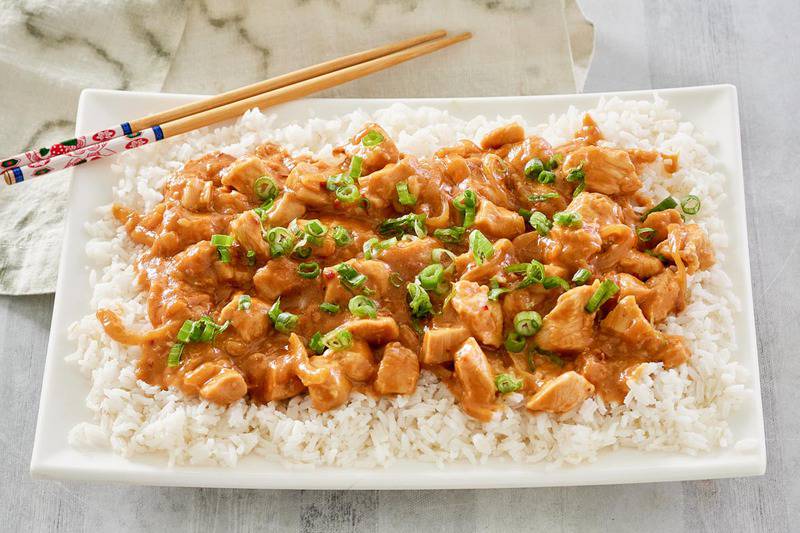
The Best Thai Peanut Chicken: Inspired by Satay, Rich & Creamy
Imagine succulent pieces of chicken, bathed in a velvety, golden-brown sauce that sings with a symphony of sweet, savory, tangy, and subtly spicy notes. This isn't just dinner; it's an experience – a journey to the heart of Thai-inspired flavors, right in your own kitchen. We're talking about the best
Thai peanut chicken, a dish so rich, creamy, and satisfying, it consistently earns a spot on dinner tables and in recipe rotations worldwide. Drawing inspiration from the beloved chicken satay, this dish takes those familiar, complex flavors and translates them into an effortlessly delicious meal that’s both comforting and exotic.
Whether you're new to Thai cuisine or a seasoned fan, the prospect of combining peanut butter, lime, coconut milk, and soy sauce might initially raise an eyebrow. But trust us, these ingredients come together in a magical alchemy, creating a depth of flavor that is truly irresistible. This article will guide you through crafting this delectable dish, offering insights, tips, and adaptations to make it your own.
What Makes Thai Peanut Chicken So Irresistible?
The allure of
Thai peanut chicken lies in its perfectly balanced flavor profile and incredible versatility. It’s a dish that hits all the right notes, making it a guaranteed crowd-pleaser.
The Magic of the Marinade: A Symphony of Flavors
At the heart of any exceptional
Thai peanut chicken is its transformative marinade and sauce. This isn't just a simple coating; it's a meticulously crafted blend designed to infuse every fiber of the chicken with layers of flavor.
*
Creamy Peanut Butter: The foundation, providing nutty richness and body.
*
Bright Lime Juice: Cuts through the richness, adding essential tang and freshness. It also plays a key role in tenderizing the chicken during marination.
*
Velvety Coconut Milk: Lends an unparalleled creaminess and a subtle tropical sweetness, mellowing the other bold flavors.
*
Savory Soy Sauce (or Tamari): Delivers a crucial umami depth and saltiness that rounds out the profile.
*
Sweet Brown Sugar (or Honey): Balances the tartness of the lime and the saltiness of the soy, contributing to that signature sweet-and-savory complexity.
*
Aromatic Garlic & Ginger: Essential aromatics that provide a warm, fragrant base.
*
Subtle Heat from Red Pepper Flakes: Just enough to awaken the palate without overpowering the delicate balance. Many people worry about the spice level, but a small amount simply enhances the other flavors. You can always start with a quarter teaspoon and adjust to your preference.
These components combine to create a deeply flavorful marinade that tenderizes the chicken, ensuring each bite is incredibly juicy and flavorful. When cooked, the sauce reduces and clings beautifully, creating that iconic glossy finish.
Layers of Texture and Serving Versatility
Beyond the taste,
Thai peanut chicken offers a delightful textural experience. Imagine the slight char on a perfectly cooked piece of chicken, enveloped in that silky
creamy peanut sauce, perhaps with the added crunch of roasted peanuts scattered on top, and the vibrant freshness of cilantro. It's a feast for the senses.
One of its greatest strengths is its adaptability. You can serve it traditionally as skewers, reminiscent of its satay inspiration, or as a hearty main course over fluffy jasmine rice, brown rice, quinoa, or even zucchini noodles for a low-carb option. The extra sauce, generously drizzled over the top, transforms any simple side into a gourmet accompaniment.
Crafting Your Perfect Thai Peanut Chicken: Key Ingredients & Expert Tips
While the ingredient list is straightforward, understanding the role of each component can elevate your homemade
Thai peanut chicken from good to unforgettable.
The Heart of the Sauce: Peanut Butter Choices
Your choice of peanut butter significantly impacts the final sauce. Creamy, processed peanut butter (like Jif or Skippy) will yield a thicker, sweeter, and smoother sauce. Natural peanut butter (just peanuts and salt) will result in a slightly looser sauce with a more pronounced roasted peanut flavor. Both work wonderfully; it's a matter of preference.
For those with a
peanut allergy or following a Paleo diet, rest assured, you don't have to miss out on this deliciousness!
Almond butter or
cashew butter are fantastic alternatives, offering a similar nutty richness, albeit with a slightly different flavor profile. While it won't technically be "peanut" chicken, it will still be incredibly delicious and satisfy that craving for a rich, creamy sauce.
Balancing the Essential Thai Flavors
Mastering the balance of sweet, sour, salty, and spicy is crucial in Thai cooking.
*
Lime Juice: Always opt for fresh lime juice. Bottled varieties lack the vibrant acidity and aroma. Remember that lime juice, while essential for flavor and tenderizing, is acidic. Marinate your chicken for at least an hour to infuse flavor and tenderize, but avoid marinating for more than 8 hours. Prolonged exposure to acid can start to "cook" and break down the chicken fibers too much, making it tough rather than tender.
*
Red Pepper Flakes: Don't let these intimidate you! This isn't meant to be an overwhelmingly spicy dish. Red pepper flakes add a subtle warmth that enhances the other flavors without burning your palate. As mentioned, start with a conservative amount (e.g., ¼ teaspoon), then taste the raw marinade and add more in small increments until it suits your preference.
Choosing Your Chicken
Boneless, skinless chicken thighs are often preferred for
Thai peanut chicken due to their higher fat content, which keeps them incredibly juicy and flavorful, even if slightly overcooked. Boneless, skinless chicken breasts also work well if you prefer leaner meat; just be mindful not to overcook them to prevent dryness. Cut the chicken into uniform 1-inch cubes or thin strips for even cooking and optimal sauce adherence.
Cooking Methods for Flawless Thai Peanut Chicken
The beauty of this
easy Thai peanut chicken recipe is its flexibility in cooking methods, allowing you to achieve delicious results whether you prefer the convenience of your oven or the char of a grill. For more detailed instructions and adaptability, you might want to check out
Master Thai Peanut Chicken: Grilled, Broiled, & Adaptable for All.
Grilled Perfection
Grilling imparts a wonderful smoky flavor and a beautiful char to the chicken, echoing its satay roots. Thread the marinated chicken onto skewers (if using wooden skewers, remember to soak them first to prevent burning). Grill over medium-high heat, turning occasionally, until cooked through and slightly charred. Basting with extra sauce during the last few minutes of cooking adds an extra layer of flavor and caramelization.
Effortless Broiling
Broiling is an excellent indoor alternative that delivers results surprisingly similar to grilling, providing a lovely browned exterior. Arrange the marinated chicken pieces in a single layer on a baking sheet. Broil for 5-7 minutes per side, or until cooked through and lightly caramelized. Keep a close eye on it, as broilers can vary in intensity and food can go from perfectly golden to burnt very quickly.
Pan-Seared Brilliance
For a quick stovetop option, pan-searing is fantastic. Heat a little oil in a large skillet over medium-high heat. Sear the chicken pieces until golden brown and cooked through. Once the chicken is nearly done, you can pour the remaining marinade (ensure it's boiled thoroughly to be safe) or reserved fresh sauce over it, letting it reduce slightly to cling to the chicken. This method creates a delightful golden crust before the sauce is fully integrated. For a truly speedy preparation, explore
Easy Thai Peanut Chicken: Creamy, Flavorful & Ready in Under 40 Mins.
Serving Suggestions & Dietary Adaptations
Your homemade
Thai peanut chicken is a versatile dish that pairs beautifully with various sides and can be easily adapted to suit different dietary needs.
*
Classic Pairings: The ultimate comfort is often found in serving it over a bed of fluffy white or jasmine rice. The rice absorbs the rich sauce beautifully, making every bite a delight.
*
Healthier Alternatives: For those looking to reduce carbs or increase fiber, consider serving it with brown rice, quinoa, cauliflower rice, or even fresh zucchini noodles or palmini noodles. These options maintain the integrity of the meal while aligning with different dietary goals.
*
Garnish for Impact: Don't skip the finishing touches! A generous sprinkle of fresh cilantro adds brightness and a pop of color. Crushed roasted peanuts contribute a wonderful crunch and intensify the nutty flavor. A wedge of fresh lime on the side allows everyone to add an extra squeeze of tangy freshness to their liking. Thinly sliced red chilies can be added for those who crave more heat.
*
Dietary Swaps:
*
Gluten-Free: Simply use tamari or a gluten-free soy sauce alternative.
*
Sugar-Free/Low-Sugar: Replace brown sugar with a natural sweetener like erythritol or stevia in appropriate amounts, or adjust to taste.
*
Nut-Free: As mentioned, almond butter or cashew butter are excellent substitutes for those with peanut allergies.
A Culinary Adventure Awaits
The
best Thai peanut chicken is more than just a recipe; it's an invitation to explore vibrant flavors and create a truly memorable meal. Its rich, creamy texture and complex profile of sweet, savory, tangy, and subtly spicy notes make it utterly addictive. Whether you grill it for a smoky char, broil it for convenience, or pan-sear it for a quick weeknight dinner, you'll be amazed at how easily you can bring restaurant-quality Thai cuisine into your home. So go ahead, mix up that luscious marinade, fire up your grill or oven, and prepare to fall in love with this satay-inspired masterpiece.